This page is under construction. Once finished, it will present our team and our international Honorary Advisory Board.
Honorary Advisory Board
We would like to thank all the members of our Honorary Advisory Board. Your membership provides valuable moral support for the vision of the World Forum for a Sustainable Society on Earth (WFSSE).
We welcome your voluntary suggestions and advice as valuable contributions to the development of the WFSSE.
OUR TEAM
WFSSE
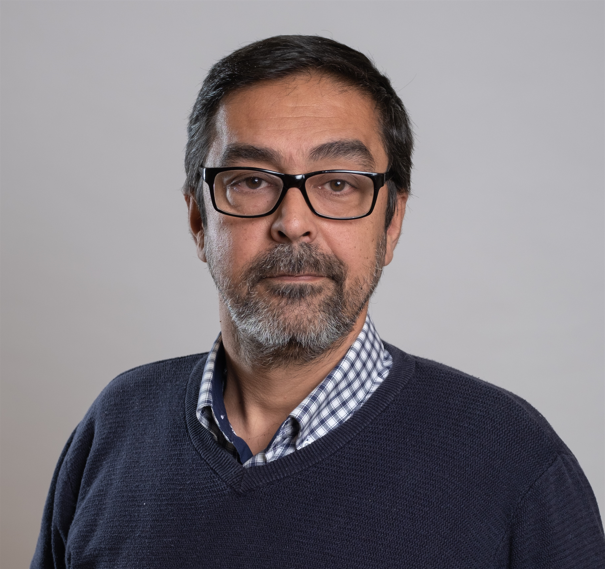
DRAGAN S HAJDUKOVIC
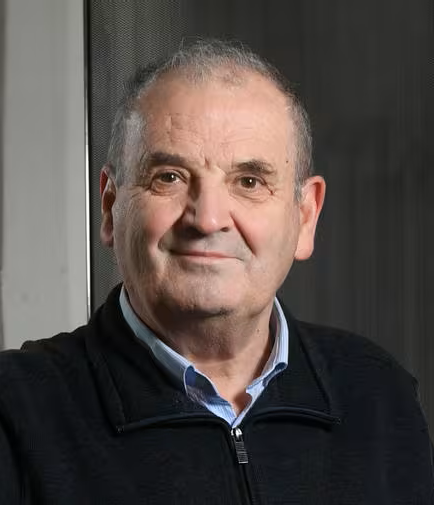
Physicist and cosmologist. Co-Founder and President of the WFSSE
Dragan S. Hajduković (born 11 June 1949) is a fortunate man who has lived in three different centuries during his 76 years.
He spent his childhood and the first two years of primary school living with his grandparents in a mountain village in the Old Montenegro, where everyday life resembled that of the 19th century. He affectionately refers to this place as the ‘Mountains of his Childhood’.
He then ‘moved’ to the 20th century, completing primary and secondary school in Skopje. He continued living in the 20th century by studying physics and obtaining a doctorate at the University of Belgrade.
The call of the mountains of his childhood brought him back to Montenegro, where he taught quantum mechanics and theoretical physics at the University of Titograd from 1983 to 1991. During this time, he continued to develop his collaboration with CERN, which spanned four decades. As well as carrying out theoretical work, he participated in pioneering experiments investigating the biological effects of antimatt er.
In the early 21st century, he began investigating the implications of the working hypothesis that quantum vacuum fluctuations act as virtual gravitational dipoles. This theory could form the basis of a new model of the Universe.
Throughout his life, spanning three centuries, he has admired the beauty and charm of nature while opposing the destructive actions of our ‘civilisation’. His numerous visions include Montenegro becoming the world’s first ecological country and the Adriatic Sea being free of a military presence.
JOVAN DJURASKOVIC
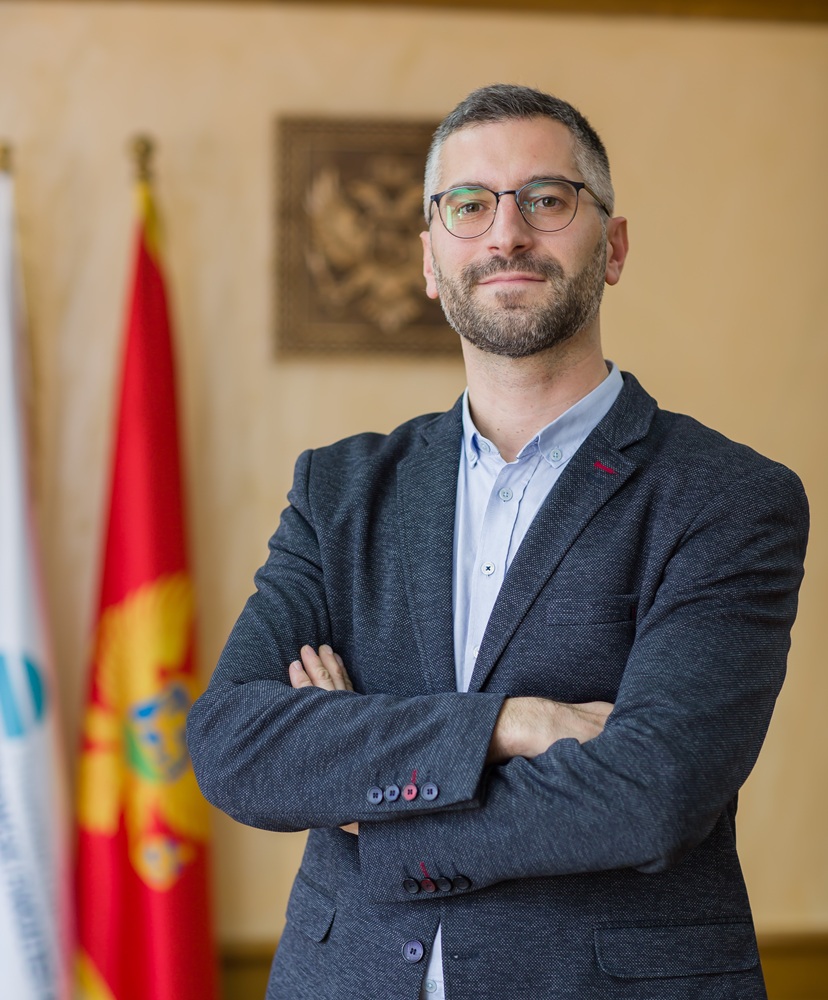
Vice-Dean of the Faculty of Economics at the University of Montenegro.
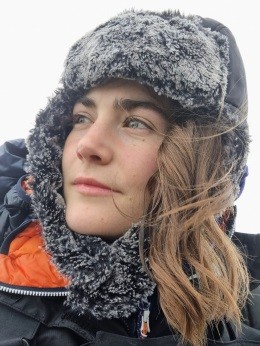
ANJA HAJDUKOVIC
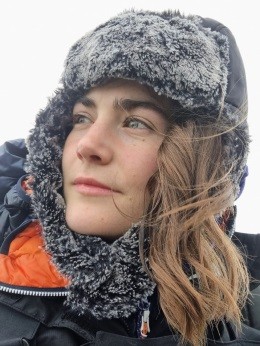
Environmental Scientists. Researcher at the University of Geneva. Co-founder of the WFSSE.
MAJA KOSTIC MANDIC
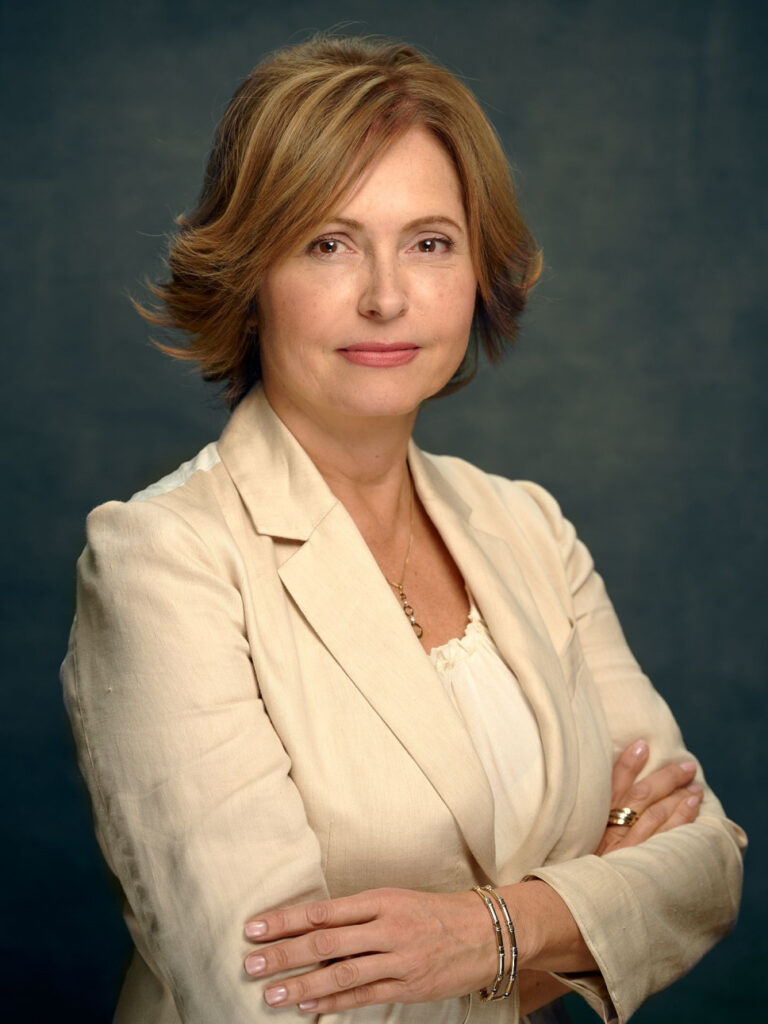
Full Professor of International Environmental Law at the Faculty of Law, University of Montenegro.
SANJA RADONJIC
Full Professor.
Biotechnical Faculty, University of Montenegro.
RADIVOJE DROBNJAK
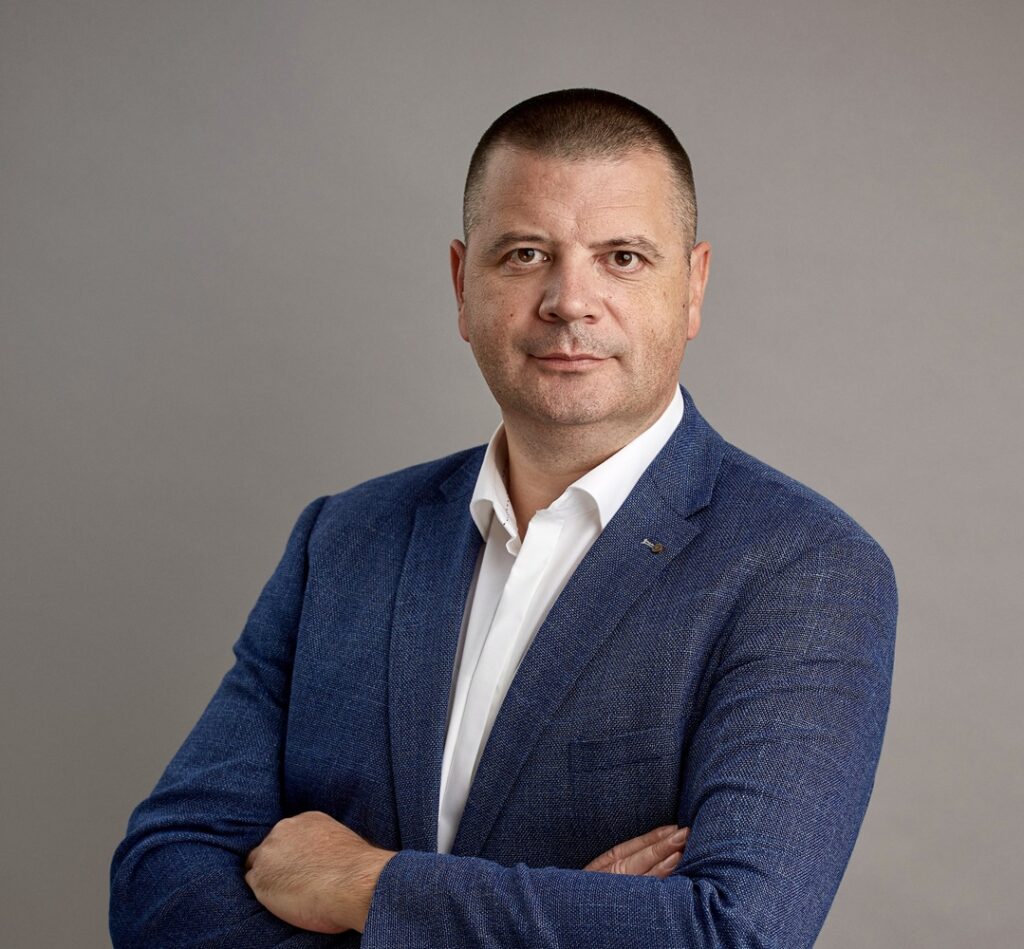
Program Activities Manager at Science and Technology Park of Montenegro
IVAN HAJDUKOVIC
Economists. Postdoctoral Researcher at EPFL, Lausanne, Switzerland. Co-founder of the WFSSE.
MILICA MUHADINOVIC
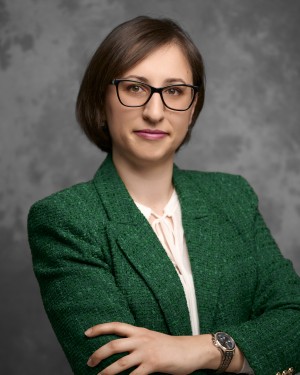
Assistant Proffesor at Faculty of Economics, University of Montenegro
SLOBODAN STANIC
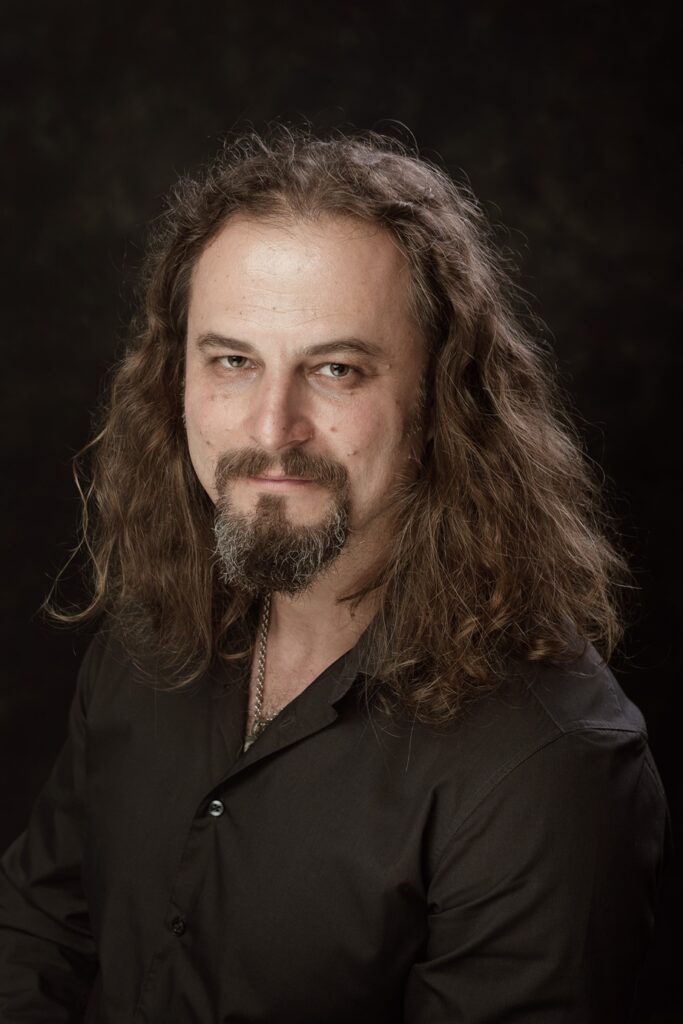
A socially responsible businessman, founder and executive director of the Mechanical Center Remid Vis
In a world of fast growth and constant consumption, it has become necessary to pause and ask a simple question: what is progress really for? From this question come others—about knowledge, technology, and the mark human actions leave behind. The work and thinking of Slobodan Boban Stanić begin here.
Slobodan Boban Stanić is a socially responsible businessman from Montenegro, founder and executive director of the Mechanical Center Remid Vis, and one of the founders of the environmental NGO UZOR (Association for Responsible and Sustainable Development). Through the work of these initiatives, he is involved in industry and production, with a strong focus on developing knowledge and promoting a responsible attitude toward work, people, and the environment. He sees business as part of a broader social role, where economic results cannot be separated from ethics, education, and the long-term sustainability of the community in which he operates.
He believes that progress has no real value unless it stays in balance with both people and nature. Technology, in this view, is not a neutral tool. It reflects human choices, values, and responsibility. When it is separated from ethics, it limits human life. When it is guided by meaning, it helps create freedom.
At the center of his focus is production, understood not only as work or technique, but as an act of creation. To create means to take responsibility—for the knowledge being used, the resources being spent, and the consequences that remain. For this reason, great importance is placed on preserving knowledge and passing it on between generations. A society that loses this continuity becomes fragile and dependent.
Education is seen as a lifelong process, not something that ends with formal schooling. Knowledge that is not shared, renewed, and questioned slowly loses its strength. True independence does not come from fast growth, but from the ability to understand, to think critically, and to create.
His work is guided by the idea of harmony—between human effort and nature, between individual freedom and responsibility toward others. Freedom is understood as the freedom to move, to think, and to live with dignity, always with the awareness that no freedom has meaning if it harms future generations.
From this perspective, technology with a soul is not a final goal, but a way of living and acting in the world.
MILAN GAZDIC
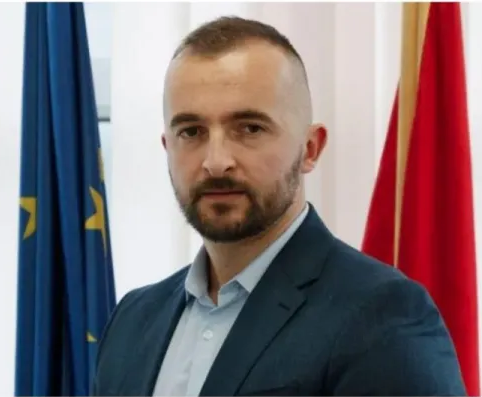
Director of the Environmental Protection Agency of Montenegro (EPA)
MIJAT JOCOVIC
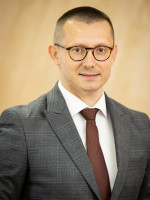
Economists. Professor and Dean of the Faculty of Economics at the University of Montenegro
IGOR PAJOVIC